God is Good Embroidery Review for Small Business
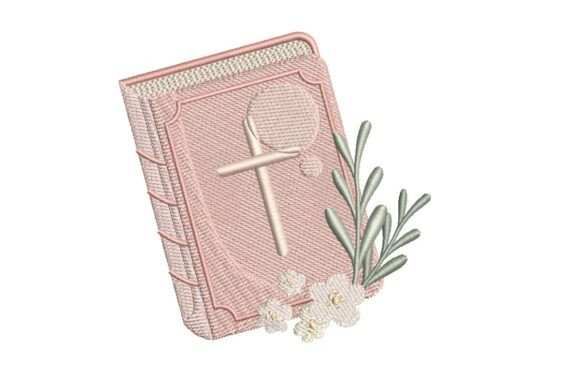
As an experienced embroidery designer who has spent years refining designs for commercial use, I approach every new file with a critical eye. When evaluating God is Good Embroidery, my primary focus is not just on the aesthetic appeal, but on its viability as a scalable asset for small business merchandise and branded patches. This design promises to carry a beautiful reminder of faith wherever you go, featuring a vibrant blooming meadow of colorful wildflowers. For shop owners, Etsy sellers, and apparel decorators, the question remains: does this digital embroidery file translate into a professional finished product that elevates brand identity?
First Impressions: Visual Personality and Brand Fit
The initial assessment of God is Good Embroidery suggests a design that balances elegance with a warm, welcoming charm. The description highlights a "blooming meadow," which implies a composition rich in organic shapes and varied thread colors. In the world of custom apparel and handmade products, this visual personality is versatile. It feels less rigid than corporate logos and more approachable than stark typography.
This specific aesthetic makes it an excellent candidate for businesses rooted in community, wellness, or creative arts. Whether you run a boutique florist, a local bakery, or a faith-based coffee shop, the inclusion of wildflowers adds a layer of handmade product authenticity. It signals to customers that your brand values nature, beauty, and perhaps a touch of rustic charm. However, the complexity of a meadow scene requires careful evaluation. If the design features too many tiny details, it risks losing definition when reduced to a small patch size. A professional review must ensure that the floral elements remain distinct even after stitching on textured fabric.
Real-World Application: From Patches to Product Labels
The true test of any machine embroidery design lies in its performance across various mediums. God is Good Embroidery shows significant potential as an embroidered patch. For small business owners, patches are a cost-effective way to add value to inventory without the high overhead of full garment decoration. Imagine attaching this vibrant design to the back of a denim jacket sold at your store, or using it as a distinctive logo on staff uniforms.
In the context of apron embroidery, this design could serve as a focal point for chefs or baristas in a café setting. The uplifting message combined with the floral motif creates a positive atmosphere for both employees and customers. Similarly, for tote bag design, the bright colors of the wildflowers would pop against canvas backgrounds, turning a simple utility item into a statement piece that encourages brand recognition. The design also works well as a subtle accent on cap embroidery, provided the curvature of the hat does not distort the delicate flower outlines.
Furthermore, this file can be integrated into product packaging accents. Sticking a small version of the design onto tags or gift boxes transforms standard shipping materials into memorable unboxing experiences. For Etsy branding and craft business assets, having a cohesive look across all touchpoints—from the digital mockup to the physical label—is crucial for building trust. If you are selling custom apparel or creating merchandise for events, this design offers a unique visual anchor that differentiates your offerings from generic templates.
Strategic Considerations and Limitations
While the potential is high, there are areas where God is Good Embroidery requires caution. Not every surface is suitable for complex floral patterns. When considering small patch sizes, the intricate details of the wildflowers may merge together, resulting in a muddy appearance. If the design includes tiny lettering or fine outlines, these elements often suffer on curved surfaces like caps or sleeves.
Stitch density is another critical factor. Designs with high stitch counts can make fabric feel stiff and uncomfortable, particularly on lightweight t-shirts or breathable work shirts. If the goal is to create a soft-touch finish for a handmade product, you must verify the density of the file. Additionally, working with dark uniforms presents challenges. The vibrant colors described in the design will require a high-quality underlay and potentially a white backing to ensure the flowers appear true to life rather than dull or obscured by the dark fabric base.
Frequent washing is another consideration for items like staff uniforms or aprons. Complex designs with many color changes are more prone to pilling or fraying if not stabilized correctly. Before committing to a bulk order, it is wise to wash-test a sample to ensure the integrity of the embroidered patch or logo holds up over time.
Impact on Brand Identity and Customer Trust
A well-executed embroidery project does more than just decorate; it reinforces brand identity. When customers see a crisp, professionally stitched God is Good Embroidery design on a tote bag or cap, it conveys a sense of quality and attention to detail. This visual consistency builds customer trust and enhances the perceived value of your goods.
In the competitive landscape of small business merch, the difference between a mass-produced print and a custom embroidered detail is significant. Embroidery suggests durability and permanence, traits that resonate with buyers looking for long-lasting items. By integrating this design thoughtfully, you signal that your brand cares about presentation and craftsmanship. This can lead to higher buyer engagement and increased loyalty, as customers appreciate the tactile and visual appeal of high-quality commercial embroidery.
Essential Designer Notes for Production
Before launching into production, every designer should follow a rigorous testing protocol. First, convert the embroidery file to black and white to check how the shapes hold up without the benefit of color contrast. This step reveals whether the design relies too heavily on color to maintain its form.
Next, inspect the spacing and confirm the recommended hoop size. Ensure that the design fits within the intended area without crowding edges. Always test on real fabric rather than paper; fabric texturestabilizer is non-negotiable, especially for stretchy knits or heavy cottons, to prevent puckering.
Create a printable mockup for client approval before running the machine. This allows stakeholders to visualize the final result on their specific products, such as a tote bag design or a cap embroidery layout. Compare the design beside other design assets to ensure visual harmony across your brand. Finally, and most importantly, confirm the commercial licensing terms of the digital embroidery file. Ensure you have the legal right to use God is Good Embroidery on items you intend to sell, protecting your business from potential copyright issues.
By following these steps and understanding the nuances of the design, you can transform a simple digital file into a powerful tool for your brand. With the right execution, God is Good Embroidery can become a signature element of your merchandise, leaving a lasting impression on everyone who sees it.