Stipple Quilt Block Embroidery Design Review
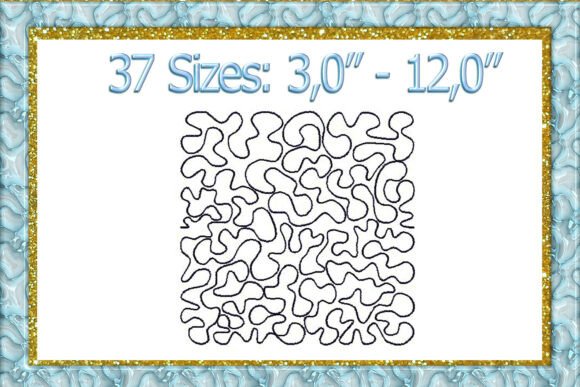
When I first opened the file for the Stipple Quilt Block Embroidery Design, my initial reaction wasn't about stitch counts or file formats. It was about the mood. There is a distinct warmth to this pattern that feels like settling into a well-worn armchair on a rainy afternoon. As an experienced designer who has stitched hundreds of projects, I know that a background design needs to do more than just fill space; it needs to set the stage. This continuous stipple machine embroidery design does exactly that. It creates a texture that mimics the hand-quilting found in heirloom pieces, offering a tactile visual appeal that flat fills simply cannot achieve.
The layout is described as an edge-to-edge motif, which immediately suggests its primary strength: versatility. Whether you are working on a large hoop for a blanket or a smaller area on a tote bag, the flow of the design feels organic rather than rigid. It doesn't scream for attention; instead, it whispers sophistication. For those of us building a brand around handmade goods, this kind of subtle texture is gold. It elevates a simple product without overwhelming the main focal point.
Real-World Application: From Digital File to Finished Product
I recently put this design to the test while preparing a custom order for a boutique client who wanted personalized aprons for a local bakery. They needed something that looked professional but retained that cozy, artisanal feel. We decided to use the Stipple Quilt Block Embroidery Design as a background border behind their logo and a monogrammed name.
The result was striking. The stippling technique, which relies on a series of small, scattered stitches, created a soft shadow effect that added depth to the fabric. On the cotton twill of the apron, the design didn't look stiff or plasticky. Instead, it looked like it had been quilted by hand decades ago. When I showed the mockup to the client, they immediately recognized the value. They noted that the texture made the garment feel more substantial, even though we hadn't added any extra layers of batting. That is the power of a well-executed embroidery project where the background work supports the foreground details perfectly.
This same principle applies to baby items. Imagine a onesie or a nursery pillow cover featuring a central applique character surrounded by this stippled field. The soft, rounded nature of the stitches prevents the design from feeling harsh against delicate skin, making it ideal for baby embroidery. It bridges the gap between a modern digital print and traditional textile art, a balance that Etsy sellers and craft fair vendors often struggle to find.
Where This Design Shines
In my experience with various commercial embroidery applications, there are specific scenarios where this design excels. It is particularly effective on structured garments and home decor items where stability is key.
- Tote Bags: A canvas tote with a large panel of this design serves as a perfect backdrop for bold lettering. The texture adds interest to what would otherwise be a blank slate.
- Sweatshirt Embroidery: On fleece or heavy cotton blends, the density of the stippling holds up well against the nap of the fabric, creating a rich contrast.
- Holiday Gifts: For Christmas stockings or holiday tea towels, the design evokes a sense of tradition. It pairs beautifully with seasonal motifs, acting as a cohesive frame for festive elements.
- Patch Making: While not a patch itself, this design works wonders as the background field for an embroidered patch, giving the edges a finished, quilted look.
The versatility extends to digital product sellers as well. If you create printable mockups for your clients, having a high-quality representation of this texture can significantly increase buyer engagement. Customers want to see how the thread interacts with the fabric, and a design that simulates that depth helps them visualize the final handmade product.
Navigating Potential Pitfalls
However, no design is without its challenges. As a reviewer, I must highlight where caution is necessary. The Stipple Quilt Block Embroidery Design relies heavily on stitch density to create its visual personality. This means that using it on certain materials requires careful consideration.
If you attempt to run this on thin, stretchy fabrics like lightweight jersey or silk without proper stabilization, the tension can cause puckering. The continuous nature of the stippling pulls the fabric inward. To avoid this, always use a cut-away stabilizer for permanent garments and ensure your hoop size matches the design dimensions. If the design is too large for your hoop, you may need to split it, which could disrupt the seamless flow of the pattern.
Detailed corners are another area to watch. Stippling involves many individual entries and exits. In tight corners, these stitches can crowd each other, leading to a muddy appearance or skipped stitches. If you are adapting this for a small cap or a curved surface, test the corner geometry first. Similarly, on dark fabrics, the visibility of the stippling depends entirely on your thread colors. A light grey stipple on navy might get lost, whereas a white or metallic thread will pop with beautiful clarity.
For products that require frequent washing, such as kitchen towels or daily wear apparel, check the durability of the stitch density. While generally robust, overly dense areas can trap lint or detergent residue if not cleaned properly. Always advise your customers on gentle care instructions to maintain the integrity of the finished product.
Practical Designer Notes for Success
Before you commit this design to a client's order or a commercial batch, there are a few non-negotiable steps I recommend. First, always test the design on scrap fabric that matches the weight and texture of your final material. This allows you to adjust the stitch density and tension before risking expensive inventory.
Review the file carefully to confirm the hoop size requirements. If the original specifications are unclear, err on the side of caution and expand the hooping area slightly to prevent edge distortion. Check whether the design includes underlay stitches that secure the fabric effectively; a good machine embroidery design should have built-in underlay to prevent shifting.
Consider the color palette early. Since this is a Backgrounds category item, it sets the tone for the entire piece. Ensure your thread choices complement the theme. For a rustic look, variegated threads work well to mimic natural fibers. For a modern aesthetic, solid colors provide a crisp, clean finish.
Finally, verify the licensing terms. If you plan to sell small shop products or use this in design assets for resale, confirm that your license covers commercial use. Many digital files come with restrictions on how many units you can produce. Ignoring these terms can lead to legal issues down the line.
In conclusion, the Stipple Quilt Block Embroidery Design is a valuable addition to any digital library. It offers a timeless aesthetic that resonates with customers seeking quality and authenticity. By understanding its strengths and respecting its limitations, you can transform a simple digital file into a stunning centerpiece for your next creative endeavor. Whether you are crafting a personalized gift or scaling a boutique business, this design provides the texture and depth needed to stand out in a crowded market.