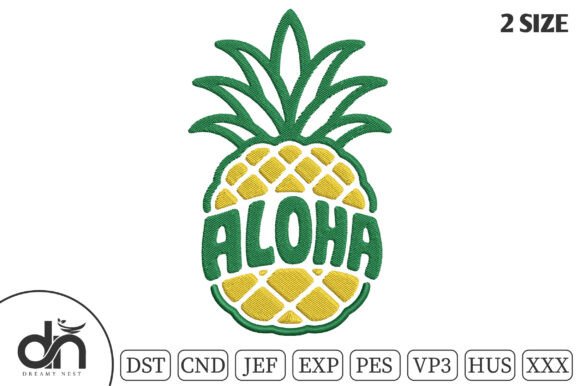
Aloha Pineapple Tropical Embroidery
As an experienced embroidery designer who has reviewed thousands of digital files for commercial production, I approach every new asset with a critical eye. When evaluating Aloha Pineapple Tropical Embroidery, my primary focus is not just on the visual appeal, but on its viability as a core component of small business merch and branded merchandise. The product description promises a "bold" design that brings a warm island welcome to creative projects, which immediately signals a specific brand personality: friendly, vibrant, and welcoming.
In the world of custom apparel and handmade brands, the difference between a generic logo and a memorable brand identity often comes down to stitch quality and design adaptability. This review examines how Aloha Pineapple Tropical Embroidery performs when applied to real-world business scenarios, from staff uniforms to high-end boutique patches.
First Impressions and Brand Personality
The initial assessment of any machine embroidery design involves determining its tonal weight and visual hierarchy. Based on the title and the promise of a bold aesthetic, Aloha Pineapple Tropical Embroidery appears to lean towards a playful yet professional vibe. It avoids the overly rustic or cluttered look that often plagues tropical themes, suggesting instead a modern interpretation suitable for contemporary branding.
For small business owners, particularly those in the hospitality, bakery, or retail sectors, this design offers a distinct advantage. It communicates approachability without sacrificing the polish expected of a premium finished product. Whether used as a chest logo accent or a standalone embroidered patch, the design's vibrancy suggests it will stand out against various fabric textures, making it an excellent choice for summer collections or seasonal promotional campaigns.
Real-World Application in Small Business Merch
The true test of any digital embroidery file lies in its versatility across different products. In my experience working with Etsy sellers and product designers, Aloha Pineapple Tropical Embroidery shows significant potential for several key use cases:
- Staff Uniforms and Aprons: For cafes, florists, or bakeries, this design serves as a perfect signature element. Placed on the left chest of work shirts or centered on apron embroidery projects, it adds a touch of local character that customers appreciate. The bold nature of the design ensures it remains legible even on busy backgrounds.
- Custom Apparel and Caps: Cap embroidery requires designs that can withstand curvature. If the stitch density is managed correctly, this pineapple motif could serve as a striking front-panel logo. It also translates well to sleeve details, offering a subtle nod to the brand's identity without overwhelming the garment.
- Tote Bag Design and Product Packaging: Tote bags are a staple for craft business assets. A large-scale application of this design on canvas totes creates a functional piece of marketing. Furthermore, using smaller iterations as accents on product packaging or hang tags elevates the perceived value of the finished product.
- Embroidered Patches: One of the most profitable applications for this design is creating iron-on or sew-on patches. These can be sold as standalone items or attached to hats, jackets, and backpacks. The "Aloha" theme resonates strongly with summer events and vacation-themed merchandise.
When integrated into a cohesive brand identity, these elements foster customer trust and recognition. A consistent visual language across all touchpoints—from the apron worn by your barista to the tote bag a customer carries home—reinforces professionalism and attention to detail.
Strategic Considerations and Limitations
While the potential is high, an honest review must address where Aloha Pineapple Tropical Embroidery might require caution. Not every surface is suitable for every design. Small patch sizes can sometimes obscure intricate details, leading to a muddy appearance if the design relies heavily on fine outlines. Similarly, cap fronts present unique challenges due to their curved surfaces; if the digitization does not account for shrinkage and tension, the pineapple shape may distort.
Designers should also be mindful of thread color contrast. On dark uniforms, the vibrancy of the design depends entirely on the underlay and top thread selection. Without proper stabilization, high stitch density areas common in tropical designs can cause fabric puckering, especially on lightweight materials like standard t-shirts. Additionally, items intended for frequent washing, such as daily work shirts, need robust construction to ensure the design does not fray or fade prematurely.
Practical Designer Notes for Production
Before committing to a full production run for commercial embroidery projects, I recommend a rigorous testing protocol. Here are essential steps to ensure the success of Aloha Pineapple Tropical Embroidery:
- Test in Black and White: Convert the design to grayscale first. This helps visualize the stitch density and spacing without the distraction of color. If the shapes merge too much in monochrome, the final result may lack definition.
- Verify Hoop Size and Stitch Count: Ensure the digital embroidery file matches your intended hoop size. Check the total stitch count to estimate production time and cost accurately. If these details are not explicitly provided in the file metadata, you must verify them before proceeding.
- Check Thread Color Contrast: Run a sample on the actual fabric you intend to use. Evaluate if the thread colors pop against the material or if they blend in too much. Adjusting the palette can make a significant difference in the finished product's impact.
- Inspect Spacing and Stabilizer Use: Proper spacing between elements prevents threads from tangling. Always use the appropriate stabilizer for the fabric texture to maintain structure and prevent distortion during stitching.
- Create a Printable Mockup: Before manufacturing physical inventory, create a printable mockup for client approval. This allows stakeholders to visualize the design on the final item, ensuring alignment with the brand vision.
- Confirm Commercial Licensing: Crucially, verify the license terms. Ensure you have the right to use the design for commercial purposes, including selling embroidered patches, custom apparel, and branded merchandise.
Elevating Your Brand Identity
Ultimately, the goal of using Aloha Pineapple Tropical Embroidery is to enhance buyer engagement and product value. A well-executed embroidered patch or a crisp logo on a tote bag signals quality. It tells the customer that the business cares about the details. In a crowded marketplace, this level of care distinguishes a serious small business from a casual hobbyist.
By treating this design asset with the same rigor as any other critical design element, businesses can leverage its tropical charm to create a memorable brand experience. Whether it is adorning a summer collection or serving as the signature mark on a boutique's merchandise, the key lies in execution. With careful planning regarding stitch density, fabric choice, and placement, this design can become a cornerstone of a successful small business merch strategy.
For those looking to expand their digital embroidery file library, Aloha Pineapple Tropical Embroidery offers a versatile option that balances fun aesthetics with professional utility. Just remember to test thoroughly, respect the technical limitations of the medium, and always prioritize the durability of the finished product.