American Cowboy Boots Embroidery Design Review
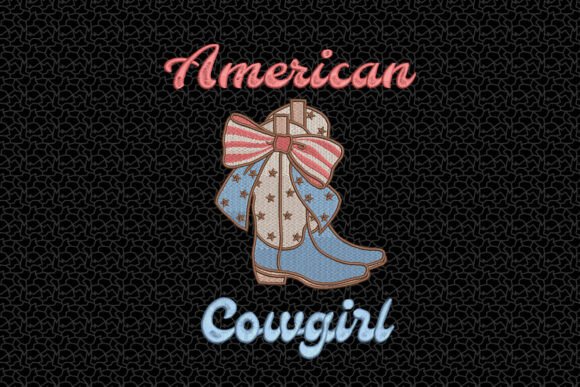
There is a specific kind of satisfaction that comes from holding a finished embroidered piece, but as someone who has digitized designs and reviewed hundreds of files for real-world application, I know the work happens long before the needle touches the fabric. When I first opened the American Cowboy Boots Embroidery Design, my immediate reaction wasn't about the theme itself, but about the intent behind the digitization. It feels like a design born from a love of Americana and rugged craftsmanship, rather than just a generic clip-art vector converted into stitches.
This review isn't about marketing fluff; it is a practical look at how this machine embroidery design performs when you are trying to create a sellable product or a meaningful gift. Whether you are an Etsy seller looking to expand your catalog or a crafter making a personalized gift for a rancher, understanding the nuances of this file is crucial before you start stitching.
First Impressions: Mood and Visual Personality
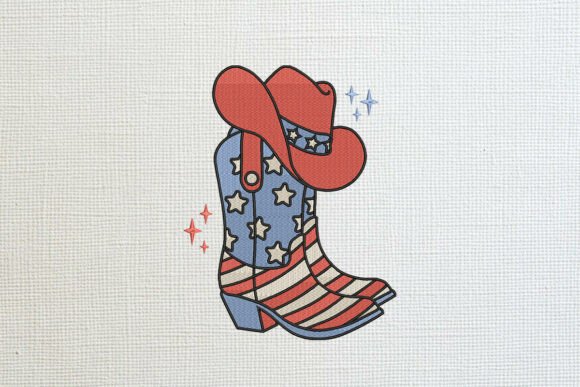
The moment you lay out the American Cowboy Boots Embroidery Design on your screen, it projects a distinct sense of heritage. The layout balances detail with clarity, avoiding the cluttered look that often plagues cowboy-themed assets. It doesn't scream "novelty"; instead, it whispers "classic." This is vital for anyone aiming to build a brand around handmade goods. A design that looks too cartoonish can cheapen a boutique product, whereas this one carries a weight of authenticity that appeals to customers who value quality over flashiness.
The visual personality is grounded in texture. Even without seeing the physical result, the way the shapes are constructed suggests a heavy use of satin stitch for outlines and fill stitches for the leather sections. This combination promises a raised, tactile finish that mimics the worn leather of actual boots. For a small business owner, this translates directly to perceived value. Customers can feel the difference between a flat printed image and a textured, stitched design, and they are often willing to pay more for that tactile experience.
Real-World Application: From Sketch to Finished Product
To truly understand the utility of this American Cowboy Boots Embroidery Design, let's imagine a specific scenario. You are preparing inventory for a local craft fair or refreshing your shop for a holiday season. You decide to create a line of custom aprons and tote bags featuring this motif. The goal is to appeal to home cooks who love western aesthetics or outdoor enthusiasts.
When applying this design to a canvas tote bag, the results are promising. The central placement allows the boots to stand out against the sturdy fabric. However, if you were to switch to a soft sweatshirt, the density of the stitches might require a heavier stabilizer to prevent puckering. The design works exceptionally well on structured items like caps or patches where the surface holds the tension of the thread. In these contexts, the embroidery file shines because the stiff backing supports the detailed curves of the boot shafts.
I also considered using this for baby items, such as a onesie or a bib. While the theme is adult-oriented, the clean lines make it adaptable for a rustic nursery or a "little cowboy" outfit. The key here is scale. If you downsize the American Cowboy Boots Embroidery Design too much for a tiny garment, you risk losing the character that makes the design special. But used correctly on a medium-sized item, it creates a charming, personalized gift that stands out among generic store-bought options.
Where Caution is Required
No single design is perfect for every situation, and knowing the limitations is what separates a professional from an amateur. There are specific areas where this machine embroidery design requires careful consideration. First, avoid using it on extremely thin or stretchy fabrics without proper stabilization. The pull of the threads could distort the shape of the boots, turning a sharp silhouette into a wavy mess.
Similarly, be mindful of dark fabrics. If the design relies heavily on light-colored threads for highlights, the contrast might get lost on black denim or navy cotton. In these cases, you might need to adjust your thread colors or add a backing layer to ensure the details pop. Another potential pitfall is small hoop sizes. If you attempt to fit this design into a very tight area, the intricate corners of the laces or the heel might not register clearly, leading to a muddy appearance that frustrates both the maker and the buyer.
For commercial embroidery projects involving frequent washing, check the stability of the design. Dense stitch areas can sometimes trap lint or cause wear on delicate garments over time. Always test the durability by washing a sample piece multiple times before putting it up for sale on platforms like Etsy or in a physical boutique.
Impact on Brand and Customer Trust
In the world of handmade products, presentation is everything. A poorly digitized design can signal carelessness, while a crisp, well-executed stitch job builds trust. The American Cowboy Boots Embroidery Design contributes positively to brand consistency. When customers see a cohesive aesthetic across their t-shirts, hats, and kitchen towels, they perceive the business as professional and reliable.
This design also enhances giftability. A pair of boots is a universal symbol of comfort and style, making it a safe yet thoughtful choice for gifts. Whether it is for a father's birthday, a wedding favor, or a Christmas present, the imagery resonates emotionally. For digital product sellers creating printable mockups, having a high-quality source file means you can showcase the texture and depth of the embroidery in your listings, which significantly boosts buyer engagement.
Practical Designer Notes for Success
Before you commit to running a full production batch, there are several technical steps you must take. First and foremost, always test the design on scrap fabric that matches your final material. This allows you to assess the stitch density and ensure the hoop size accommodates the design without cutting off any edges.
Review the colorway carefully. Sometimes a design looks great in a standard palette but needs tweaking to work with specific thread brands. Check the balance between satin stitch and fill stitch; if the fill areas are too dense, the fabric may pucker, but if they are too sparse, the underlying material might show through unevenly. Use a proper stabilizer appropriate for your fabric type—cut-away for knits and tear-away for wovens—to maintain the integrity of the embroidered patch or apparel.
If you plan to sell finished items commercially, confirm the licensing terms associated with the digital embroidery file. Some licenses restrict the number of units you can produce, while others allow unlimited sales. Additionally, inspect the design for any tiny lettering or fine details that might not survive the stitching process on certain textures. Comparing light and dark fabric backgrounds during your testing phase will help you determine the best color combinations for maximum visibility.
Finally, consider the versatility of the design. Can it be adapted for different holidays? While the theme is inherently American, it fits naturally with Independence Day celebrations or patriotic events. However, its primary strength lies in its year-round appeal as a symbol of rugged individualism. By treating this embroidery project with the respect it deserves, you ensure that your final product is not just a piece of cloth with thread, but a testament to skill and creativity.