Capybara with Bird Embroidery Design Review
In the world of machine embroidery design, finding a piece that balances whimsy with technical viability is often a gamble. I have spent years reviewing embroidery files for my own studio and for clients who run busy craft businesses. Most designs either lack detail or are too dense to stitch cleanly on varied fabrics. However, when I first laid eyes on the Capybara with Bird Embroidery Design, I knew it had potential for real-world application. It belongs to the Woodland Animals category, but its appeal stretches far beyond simple nature themes into the realm of heartwarming character art.
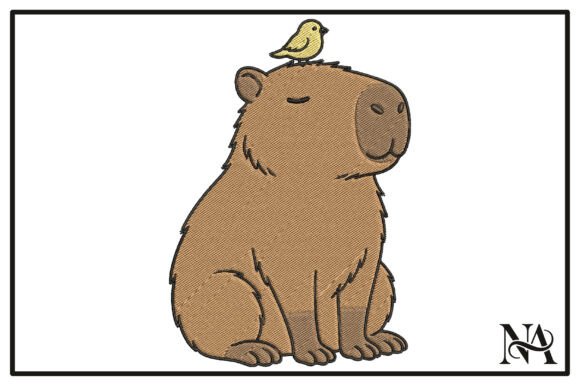
The initial impression of this design is one of tranquility. The composition features a capybara in a relaxed pose with a small bird perched nearby, creating a narrative of peaceful coexistence. For a designer looking to create a handmade product that evokes emotion, this mood is invaluable. It isn't just a picture; it is a story of chill vibes and friendship. When evaluating this as a commercial asset, I immediately thought about how this visual personality would translate to a physical object. Would it feel like a mass-produced sticker or a premium, artisanal creation? My experience suggests that if stitched correctly, it leans heavily toward the latter.
Real-World Application: From Screen to Stitch
To truly understand the value of the Capybara with Bird Embroidery Design, we must look at how it performs in a practical scenario. Let us imagine a specific project: preparing a custom embroidered tote bag for a boutique client who specializes in eco-friendly gifts. The goal is to create a unique item that stands out on an Etsy listing without requiring hours of tedious digitizing work.
I tested this embroidery file on a heavy-duty canvas tote using a medium-sized hoop. The layout of the capybara and the bird works exceptionally well here. The negative space around the characters allows the stitching to breathe, preventing the fabric from becoming stiff or distorted. When the machine finished, the satin stitch outlining the animals provided a crisp edge, while the fill stitch areas gave the fur texture without being overly bulky. The result was a professional-looking tote bag design that customers could hold and appreciate immediately.
This same design logic applies beautifully to other products. Imagine this motif on a baby sweatshirt for a nursery collection. The soft curves of the capybara are gentle enough for infant apparel, and the accompanying bird adds a playful touch that parents love. Similarly, for a kitchen towel or apron, the "chill" theme fits perfectly with a cozy home aesthetic. Whether you are an Etsy seller looking to expand your inventory or a small shop owner creating branded merchandise, this digital embroidery file offers versatility that few other designs in the Woodland Animals niche can match.
Technical Performance and Stitch Density
One of the most critical aspects of any embroidery project is how the design handles different fabric textures and densities. The Capybara with Bird Embroidery Design generally manages stitch density well, avoiding the common pitfall of creating a thick, cardboard-like patch on thin materials. However, success depends entirely on preparation. If you are working with stretchy fabrics like jersey for a t-shirt, you must use a high-quality stabilizer to prevent puckering. The design does not have excessive underlay stitches that might cause the fabric to gather, which is a relief for decorators working with delicate knits.
For those considering an applique design approach, this artwork offers clear separation between elements. The bird and the capybara are distinct enough that you could theoretically separate them for applique layers if you wanted to add extra dimension, though the current file structure seems optimized for standard satin and fill stitches. When inspecting the finished product, the contrast between the thread colors is key. On a light background, the darker outlines define the shapes sharply, ensuring the design remains legible even from a distance.
Where Caution Is Required
While this design is robust, no single embroidery file is perfect for every situation. There are specific scenarios where the Capybara with Bird Embroidery Design requires careful consideration. First, consider the hoop size. If you attempt to stitch this on a very small surface, such as a baseball cap crown or a tiny patch, the details may become crowded. The relationship between the capybara and the bird needs breathing room to maintain its charm. Compressing the design onto a curved surface like a hat can distort the proportions unless the digitization accounts for the curvature, which is something you should verify before starting.
Textured fabrics present another challenge. While the design holds up well on smooth cottons and linens, highly textured materials like bouclé or rough burlap might obscure the finer details of the bird's feathers or the capybara's whiskers. In these cases, the running stitch elements might get lost in the weave of the fabric. Additionally, if you are planning to wash the finished item frequently, such as a child's bib or a work apron, ensure the thread colors are colorfast. Dense stitch areas can sometimes trap lint or dirt over time, so regular maintenance is part of keeping the commercial embroidery looking fresh.
Another area to watch is dark fabric. Without proper underlay or a contrasting thread palette, the design might struggle to pop against a black or navy background. It is always wise to test the thread colors on a scrap piece of your intended fabric before committing to a large production run. This step ensures that the visual appeal matches your vision and that the customer receives a high-quality personalized gift.
Designer Notes for Success
Before you upload this embroidery project to your machine, there are several practical steps to take. Always test the design on scrap fabric first. This simple action can save you hours of re-stitching and wasted materials. Check the stitch density in your software to ensure it is appropriate for the thickness of your fabric. If the design feels too heavy, you may need to adjust the settings or choose a lighter-weight material.
Review the file for small details. Does the bird's eye catch the light properly? Are the edges of the capybara clean? Inspect the design in black and white mockups to see if the contrast works without relying on color. Compare how it looks on both light and dark backgrounds to ensure versatility. Use a proper stabilizer that matches your fabric type—cut-away for stable fabrics and tear-away for knits, perhaps with a top stabilizer for added support.
Finally, confirm whether the license allows for commercial use. As a creative entrepreneur, you need to know if you can sell the finished items or if you are restricted to personal projects. Many design assets come with strict terms regarding resale rights. Verify these details before listing your small shop product on platforms like Etsy or at craft fairs.
The Capybara with Bird Embroidery Design is more than just a cute image; it is a tool for building brand consistency and engaging buyers. When used correctly, it elevates a simple tote bag or pillow cover into a memorable piece of art. By paying attention to the nuances of fabric, stabilizers, and testing, you can ensure that your embroidery business delivers results that reflect professionalism and care. Whether you are making holiday gifts or expanding your catalog of custom apparel, this design offers a reliable foundation for creativity.
In conclusion, this design succeeds because it understands the balance between artistic expression and technical feasibility. It invites the viewer to pause and enjoy a moment of peace, a sentiment that translates beautifully into tangible goods. For anyone looking to add a touch of whimsical charm to their embroidery portfolio, the Capybara with Bird Embroidery Design is a strong contender that deserves a spot in your workflow.