Standing Gnome Embroidery Design Review
As a professional embroidery designer who has spent years refining digital assets for commercial use, I know that selecting the right embroidery file is about more than just aesthetics. It is a critical business decision that impacts production efficiency, brand perception, and customer satisfaction. Recently, I evaluated the Standing Gnome Embroidery Design with a specific focus on its viability for small business merchandise, branded patches, and uniform applications. This review breaks down how this design performs in real-world scenarios for Etsy sellers, boutique owners, and apparel decorators.
First Impressions: A Blend of Rustic Charm and Modern Precision
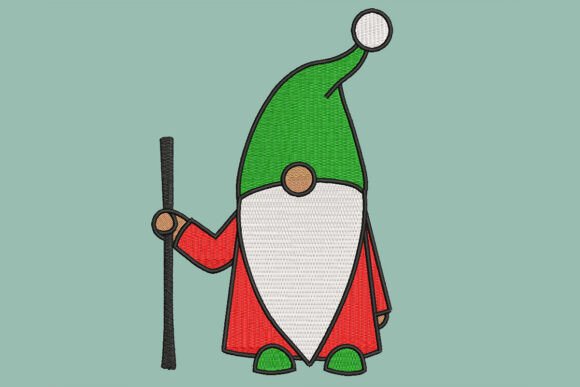
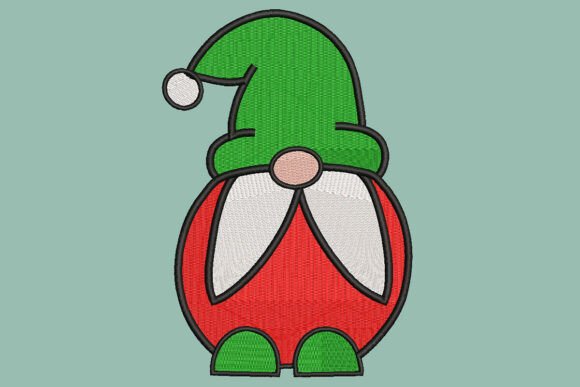
The moment you open the file, the Standing Gnome Embroidery Design presents itself as a unique and modern take on traditional folk art. The description promises a "quick, smooth and perfect stitch out," which is music to any machine operator's ears. Visually, the design strikes a balance between being playful and professional. It feels handmade yet polished, making it an excellent candidate for brands that want to convey warmth and approachability without sacrificing quality.
In the context of the Winter category, this design fits perfectly with seasonal collections, holiday gift sets, and cozy winter wear. However, its appeal extends far beyond the season. The character stands tall and confident, offering a strong visual anchor that works well as a primary logo accent or a standalone decorative element. For a creative studio or a bakery looking to add a touch of whimsy to their brand identity, this design offers a distinct personality that customers can easily recognize and connect with.
Real-World Applications for Small Business Merch
When evaluating a design for commercial production, we must ask where it will shine. The Standing Gnome Embroidery Design proves versatile across a wide range of products. Imagine a local café using this as a chest logo accent on staff aprons; it immediately humanizes the uniform and creates a friendly atmosphere for patrons. Similarly, for a handmade shop or florist, placing this design on tote bags serves as a mobile advertisement that carries a message of craftsmanship and care.
For businesses creating custom apparel, this design excels as a patch application. Whether stitched onto the back of a denim jacket, the sleeve of a work shirt, or the front panel of a cap, the gnome adds a layer of depth and texture that printed graphics simply cannot match. I have seen similar designs used successfully on product packaging accents, turning a standard box into a memorable unboxing experience. For Etsy sellers, having a consistent design asset like this helps build a cohesive look across all product lines, from hats to kitchen towels.
The design also lends itself well to event merch and corporate gifts. A pet brand could use this to create a limited-edition line of embroidered collars or bandanas, while a craft business could offer it as a premium upgrade for their customer base. The key is consistency; using the same high-quality machine embroidery design across all touchpoints reinforces trust and signals that the business values detail.
Strategic Considerations and Limitations
While the Standing Gnome Embroidery Design is robust, there are specific areas where caution is required to ensure a flawless finished product. One of the most common pitfalls in commercial embroidery is scaling. If you intend to use this design as a tiny patch size or a subtle sleeve detail, you must verify that the fine details remain legible. Extremely small dimensions can cause thread clumping or loss of definition, especially if the design features intricate outlines.
Curved surfaces, such as the front of a baseball cap, require careful attention to the design's geometry. While the standing figure is generally stable, testing on the actual curved fabric is essential to ensure the gnome does not appear distorted. Additionally, be mindful of the stitch density. High-density areas can make the fabric stiff, which might be undesirable for lightweight fabrics or items that need to drape softly, like certain types of tote bags or loose-fitting shirts.
Fabric texture plays a significant role in the final look. On textured materials like heavy wool or bouclé, the sharpness of the design may soften. Conversely, on dark uniforms, the thread colors must provide sufficient contrast. If the design relies on light shading against a dark background, it may get lost unless specific underlay techniques are used. Finally, items that undergo frequent washing, such as work aprons or chef coats, benefit from designs with fewer delicate threads that could snag. Always inspect the spacing and confirm the hoop size before committing to a large production run.
Impact on Brand Identity and Customer Trust
In the competitive world of small business merch, visual consistency is paramount. A poorly executed embroidery job can undermine the perceived value of a product, making a premium item feel cheap. The Standing Gnome Embroidery Design, when digitized correctly and stitched with care, elevates the perceived value of the handmade product. It signals to the buyer that the creator cares about the quality of the finish.
This level of professionalism fosters customer trust. When a buyer sees a crisp, clean embroidered patch on a tote bag or a neatly stitched logo on a cap, they associate those qualities with the brand's overall reliability. The design acts as a silent ambassador for your business, reinforcing a narrative of quality and attention to detail. For brands aiming for a premium presentation, investing in a well-tested digital embroidery file is a strategic move that pays dividends in customer engagement and repeat sales.
Essential Designer Notes for Production
Before integrating the Standing Gnome Embroidery Design into your commercial workflow, adhere to these practical steps to guarantee success. First, test the design in black and white on your software to check the flow of stitches and potential density issues. Verify that it holds up at your intended patch size; sometimes a design looks great on screen but fails at 2 inches.
Review your thread colors carefully to ensure they pop against your chosen fabric. Check the spacing between elements to prevent thread breaks during stitching. Confirm the required hoop size matches your production capabilities. Most importantly, always test on the real fabric you plan to use, applying the correct stabilizer to support the material during the process.
Create a printable mockup for client approval before running the first batch. This allows you to catch any color or sizing mismatches early. Compare this design beside your other design assets to ensure it aligns with your existing style guide. Finally, strictly confirm the commercial licensing terms included with the file. Ensure you have the legal right to use the Standing Gnome Embroidery Design for selling finished goods, as this is crucial for avoiding legal issues in your business operations.