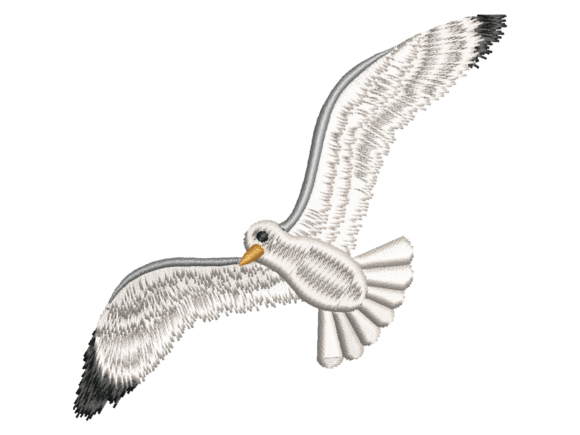
Flying Seagull Embroidery Design Review
As an experienced embroidery designer who has spent years refining machine embroidery design for various commercial clients, I approach every new asset with a critical eye. When evaluating the Flying Seagull Embroidery Design, my primary focus is not just on aesthetic appeal, but on its viability as a core component of small business merch. Whether you are a boutique owner, a craft creator, or running a local café, your embroidered assets must communicate professionalism and durability. This review analyzes how this specific digital asset performs in real-world scenarios, from branded patches to uniform accents.
First Impressions: Visual Personality and Brand Fit
The title Flying Seagull Embroidery Design immediately suggests movement, freedom, and a coastal or outdoor vibe. In the context of brand identity, this imagery often resonates with businesses that value nature, travel, or a relaxed yet professional atmosphere. For a bakery, florist, or pet brand, this design offers a friendly and approachable personality without being overly childish. It strikes a balance between playful and elegant, making it suitable for custom apparel that needs to feel premium rather than mass-produced.
From a design perspective, the seagull motif is classic. However, the success of the final product relies heavily on execution. A well-executed flying bird implies flight and grace, which can elevate the perceived value of a handmade product. If the lines are too cluttered, it may lose definition; if they are too sparse, it may look unfinished. The goal is to ensure the design feels cohesive with other design assets your business uses, creating a unified visual language across all touchpoints.
Real-World Application: Patches, Uniforms, and Merchandise
One of the most compelling use cases for the Flying Seagull Embroidery Design is the creation of custom embroidered patches. Small businesses often need durable branding that can be applied to various items without committing to full garment printing. Imagine a creative studio using this design as a chest logo accent on work shirts, or a local café applying it as a patch on staff aprons. The versatility here is significant. You could also see this design as a sleeve detail on a cap or a subtle mark on a tote bag.
For Etsy sellers and product designers, this file serves as a powerful tool for creating unique commercial embroidery projects. Consider a boutique selling handmade goods; adding a small version of this design to product packaging or customer gift bags creates a memorable unboxing experience. It transforms a standard transaction into a branded interaction. Furthermore, for event merch or craft business assets, having a high-quality digital embroidery file allows for rapid production of limited-run items that feel exclusive.
The design also shines when used as a tote bag design or an apron embroidery feature. These items are often seen as extensions of the brand itself. A seagull motif works exceptionally well for beach-themed events, summer markets, or eco-friendly brands that want to emphasize a connection to the outdoors. When executed correctly, the finished product looks polished, encouraging customers to wear or carry the item proudly, effectively turning them into walking billboards for your business.
Strategic Limitations and Technical Considerations
While the potential is high, there are areas where the Flying Seagull Embroidery Design requires careful handling. Not every surface is suitable for detailed embroidery. On curved surfaces like the front of a cap, the tension of the fabric can distort the stitch density, potentially causing the wings to appear uneven. Similarly, attempting to use this design at very small patch sizes might result in lost details, especially if the outlines are intricate.
High stitch density is another factor to monitor. If the design is too dense, it can make the fabric stiff and uncomfortable, particularly on items like work shirts or lightweight tees. Additionally, textured fabrics can hide the fine details of the bird, while dark uniforms might require a heavy underlay that changes the look of the thread colors. Frequent washing can also take a toll; if the stabilizer is not chosen correctly, the design may pucker or shift over time.
Therefore, before mass-producing, it is crucial to test the design on the actual fabric intended for use. Do not assume that a file that looks perfect on a screen will translate flawlessly to a physical garment. Pay close attention to the spacing and confirm the hoop size required to accommodate the design without cutting off essential elements.
Impact on Brand Identity and Customer Trust
In the competitive landscape of small business merch, visual consistency is key. The quality of your embroidery directly influences customer trust and recognition. A crisp, well-placed Flying Seagull Embroidery Design signals attention to detail and a commitment to quality. Conversely, a sloppy execution can undermine the professionalism of even the best products.
When customers see a high-quality embroidered logo on a cap or a tote bag, it enhances the perceived value of the brand. It suggests that the business cares about the presentation of its goods. This visual consistency helps in building a strong brand identity that stands out in crowded marketplaces like Etsy or local craft fairs. The design becomes a symbol of reliability, encouraging repeat purchases and fostering deeper buyer engagement.
Practical Designer Notes for Production
To ensure the best results with this embroidery file, I recommend following a strict production workflow. First, create a printable mockup for client approval to visualize the placement and scale before any stitching begins. Test the design in black and white first to check the contrast and flow of the stitches without the distraction of color.
Review the thread colors carefully to ensure they complement the fabric texture. If you are working with dark uniforms, verify that the thread coverage is sufficient to prevent the background from showing through. Always inspect the spacing to ensure no two elements are touching, which can cause puckering. Confirm the stabilizer type needed for the specific fabric weight; using the wrong stabilizer is a common cause of failure in finished product quality.
Finally, compare this design beside your other design assets to ensure stylistic harmony. Before proceeding with any large-scale production, confirm the commercial licensing terms associated with the file. Remember that these digital files are delivered in ZIP or RAR format, and since they are a digital product with no physical shipping, instant download is available after purchase. However, because returns or refunds are not typically offered for digital products, due diligence is essential.
By treating the Flying Seagull Embroidery Design with the same rigor as a physical product, you can leverage its potential to create exceptional branded merchandise that elevates your business and delights your customers.