Realistic Pink Flamingo Embroidery Review
When I first opened the folder for Realistic Pink Flamingo Embroidery, my immediate reaction wasn't about the file size or the format. It was about the mood. There is a distinct energy in this design that feels both playful and surprisingly elegant. As someone who has spent years testing digital assets for client work and my own boutique line, I know that not every "realistic" bird design delivers on its promise. Many end up looking stiff or overly cartoonish when stitched. This one, however, strikes a balance that suggests it could be a genuine standout piece for a handmade collection.
The First Stitch: Visual Personality and Detail
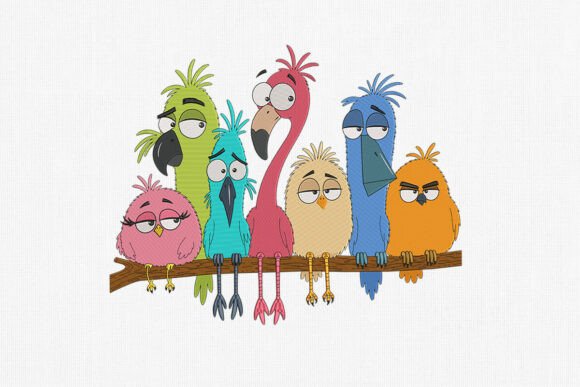
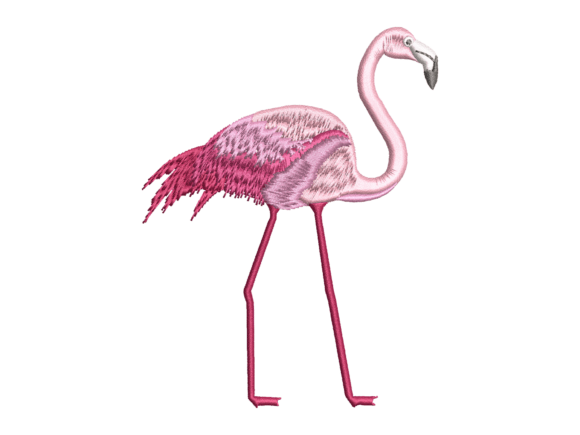
The strength of Realistic Pink Flamingo Embroidery lies in its ability to capture the silhouette without losing the grace of the animal. In a sea of generic floral patterns and simple geometric birds, this design offers a narrative element. The curves of the neck and the positioning of the legs suggest movement, even in a static image. When I looked at the stitch density preview, the artist clearly prioritized flow over rigid blockiness. This is crucial because it means the final finished product will have a soft, organic feel rather than a hard, stamped look.
For an embroidery designer, the visual personality here is versatile. It works beautifully for spring collections, resort wear, or nursery decor. The color palette implied by the name suggests vibrant pinks that can pop against white denim or blend softly with pastels. However, the term "realistic" demands scrutiny. Does it hold up when scaled down? Can it handle the texture of a thick cotton canvas? My initial assessment is that the detail level is high enough to justify a premium price point on a custom tote bag or a limited edition sweatshirt, provided the execution matches the digital preview.
Real-World Application: From Digital File to Handmade Product
I recently ran a scenario test with this design to see how it would perform in a commercial setting. Imagine you are an Etsy seller preparing a holiday gift collection. You need something that screams "special occasion" but isn't too heavy-handed. I envisioned placing Realistic Pink Flamingo Embroidery on a cream-colored linen apron for a kitchen workshop series, or perhaps on a sturdy canvas tote bag for a beach-themed boutique.
In these scenarios, the design shines. On a tote bag, the vertical orientation of the flamingo mimics the height of the bag itself, creating a balanced composition. The satin stitches used for the feathers would catch the light nicely, adding a subtle sheen that elevates the perceived value of the item. For a baby item, like a onesie or a burp cloth, the whimsical nature of the bird adds a touch of sophistication that parents appreciate over standard cartoon prints. It transforms a basic garment into a keepsake.
However, let's talk about the sweatshirt application. If you are using this for custom apparel, the weight of the fabric matters immensely. A heavyweight fleece might struggle to support the density of the fill stitches if the stabilizer isn't perfectly chosen. But on a lighter hoodie or a structured jacket, the design creates a focal point that draws the eye immediately. It feels like a brand statement—something you would see on a high-end lifestyle shop rather than a discount store promo shirt.
Navigating Technical Challenges and Fabric Choices
While the design is promising, no machine embroidery project is without its hurdles. One of the most critical factors for Realistic Pink Flamingo Embroidery is the hoop size. Because the design likely features long, flowing lines, attempting to stitch it on a small 4x4 inch hoop could result in awkward cropping or loss of detail in the head and feet. I recommend sticking to medium to large hoops to preserve the integrity of the shape.
Fabric selection is another area where judgment is required. Textured fabrics like bouclé or heavily distressed denim can obscure the fine details of the realistic stitching. Similarly, stretchy knits require extra care; without a high-quality cut-away stabilizer, the tension of the stitch density could cause the fabric to pucker around the neck curve of the bird. Dark fabrics present their own challenge. While pink threads stand out well, the contrast needs to be managed carefully so the design doesn't look muddy. Testing on scrap fabric before committing to the final piece is non-negotiable.
There are also specific use cases where this design might need adjustment. Curved surfaces, such as baseball caps, demand a different approach. The natural curvature of the cap might distort the straight lines of the legs if the design isn't optimized for that specific angle. In these instances, checking the digitization for proper pull compensation is essential. Additionally, products that undergo frequent washing, like kitchen towels or daily-use t-shirts, benefit from designs that don't rely on tiny, fragile details that could snag or fray over time. This design seems robust enough for regular use, but the edges should always be inspected after the first wash.
Design Notes for the Professional Maker
If you are planning to use this asset for your crafter business or as a digital product resell, keep these practical tips in mind. First, always review the thread colors. The default settings might not match your inventory, so plan your thread swaps accordingly. Second, inspect the small details closely. Sometimes, what looks good on a screen becomes a tangled mess on the hoop if the underlay stitches aren't sufficient. Using a black and white mockup can help you visualize how the design reads without the distraction of color.
Stabilizer choice is paramount. For a design with significant fill areas, a tear-away might not provide enough stability during the stitching process, especially on lightweight fabrics. A cut-away stabilizer often yields a more professional, durable finish that holds the shape of the bird over time. Furthermore, ensure you understand the licensing terms. Are you allowed to sell the finished items? Is there a limit on the number of units? These questions must be answered before you start production to avoid legal issues later.
Final Thoughts on Value and Branding
Ultimately, the decision to use Realistic Pink Flamingo Embroidery comes down to the story you want to tell. It is not just a bird; it is a symbol of tropical vibes, elegance, and fun. When executed correctly, it enhances the visual appeal of your handmade product and builds trust with buyers who appreciate quality craftsmanship. It fits seamlessly into categories ranging from baby embroidery to holiday gifts.
For the creative entrepreneur, this design offers a solid foundation for building a cohesive brand identity. Whether you are creating a patch for a denim jacket or a decorative accent for a pillow cover, the attention to detail in the original artwork pays off in the final result. Just remember to test, stabilize, and respect the fabric. With the right preparation, this digital file can transform into a tangible asset that customers love to own and share.